


What Makes Moroccan Cuisine Unique ?
Traditional Moroccan cuisine is built around a combination of aromatic spices, fresh ingredients and slow cooking.
Cumin, ginger, turmeric, saffron, cinnamon and paprika are among the spices commonly used in Moroccan cooking. But Moroccan food is not simply about making dishes spicy. The emphasis is often on creating depth and balance, with sweet, savory, fresh and aromatic flavors coming together in the same meal.
Slow cooking is another defining characteristic. Tagines, stews and other dishes are often prepared over time, allowing meat, vegetables, spices and sauces to develop their full flavor.
There is also a strong regional dimension to Moroccan food. What you encounter in Marrakech may differ from what you find in Fes, along the Atlantic coast or in the Atlas Mountains.
This variety is what makes exploring traditional Moroccan dishes so rewarding.
10 Traditional Moroccan Dishes to Discover
If you are discovering Moroccan food for the first time, these are some of the country's classic dishes to know.
1. Moroccan Tagine
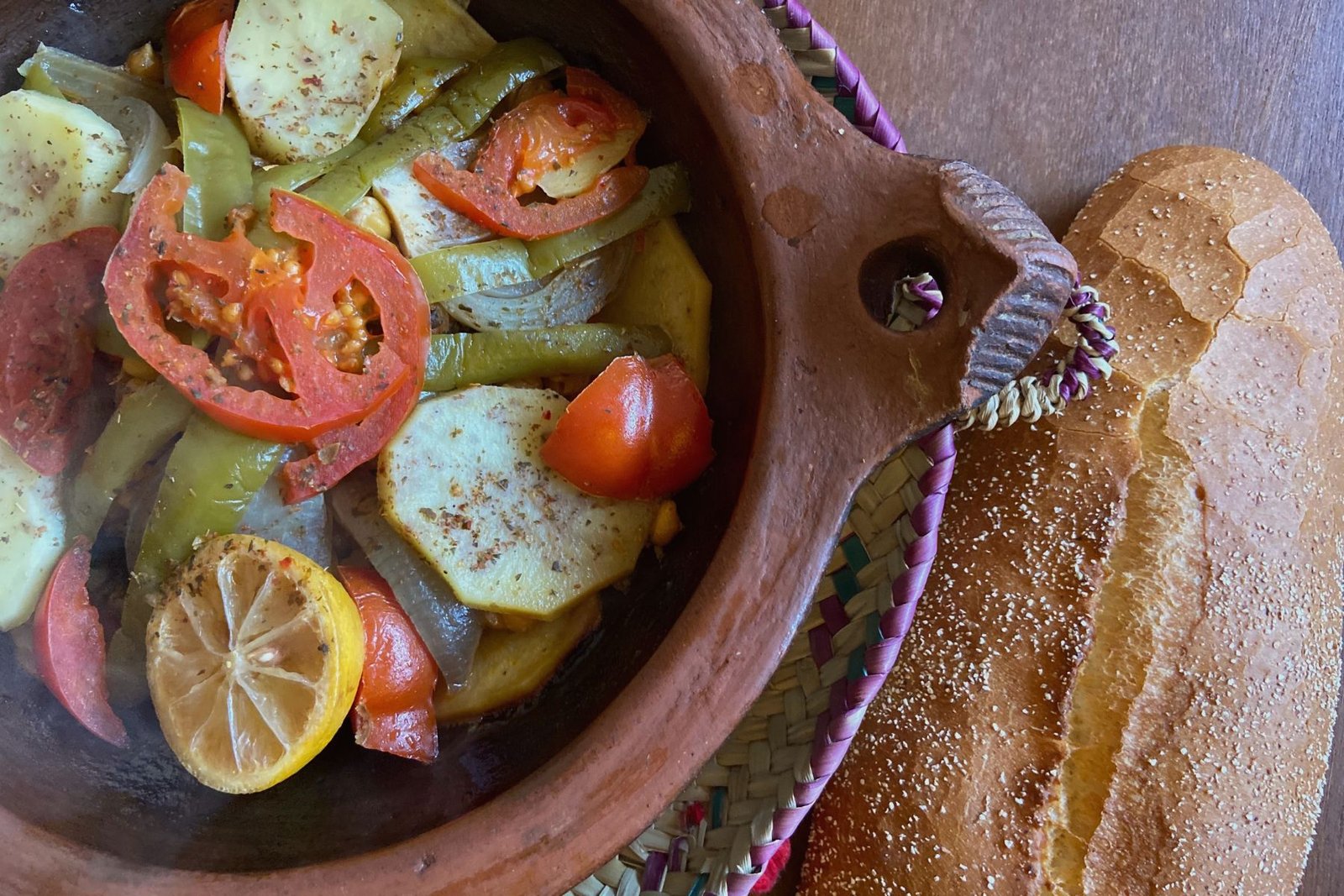
The Moroccan tagine is probably the dish most closely associated with Moroccan cuisine.
The name refers both to the dish itself and to the distinctive earthenware cooking vessel with its conical lid. Ingredients are slowly cooked together, creating tender meat or vegetables and a rich, aromatic sauce.
There are countless variations. Chicken with preserved lemons and olives is a classic combination, while lamb can be paired with prunes, dates or apricots. Vegetable tagines offer equally flavorful alternatives.
The important thing about a tagine is that there is no single recipe. Each combination reflects different ingredients, regions and family traditions.
2. Moroccan Couscous
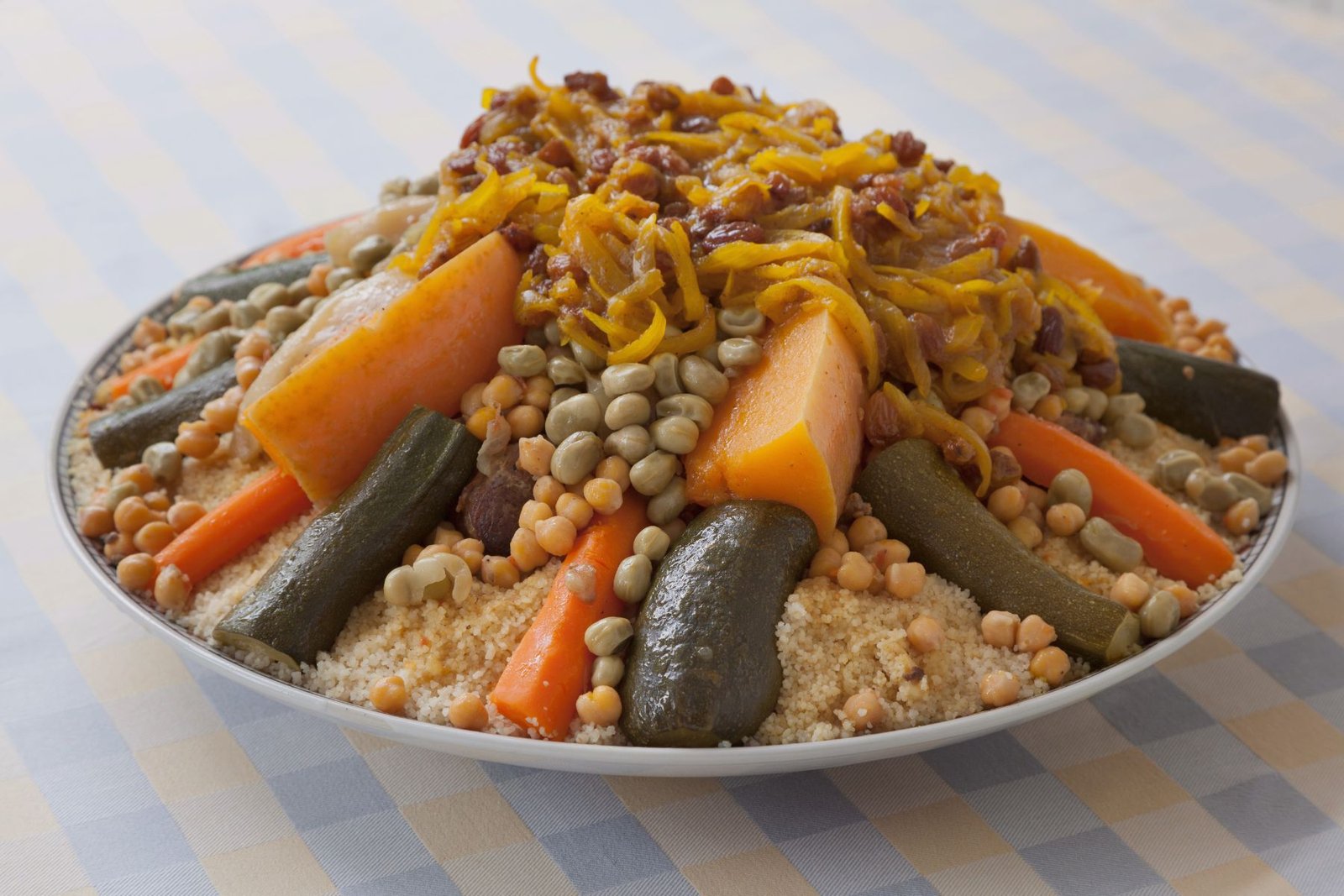
Couscous is another essential part of Moroccan food and traditionally holds a special place at the family table.
One of the best-known preparations is couscous served with seven vegetables, often accompanied by meat and a rich broth. The grains are steamed rather than simply boiled, creating a light texture that absorbs the flavors of the accompanying sauce.
In Morocco, couscous is closely associated with sharing and gathering, making it as much a social experience as a dish.
3. Bastilla or Pastilla
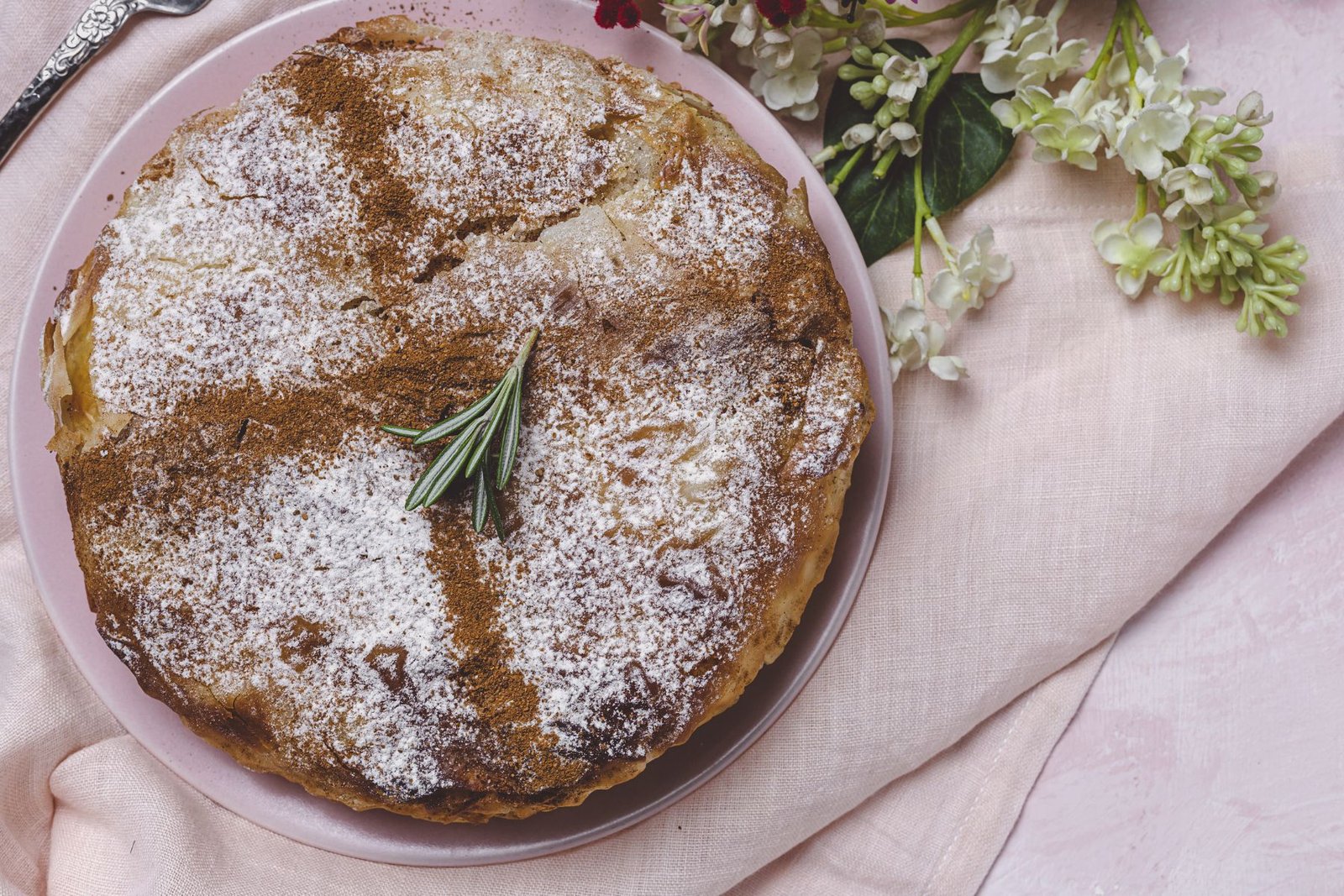
Moroccan pastilla, also known as bastilla or bastila, combines crisp pastry with a richly seasoned filling.
The traditional version is often prepared with poultry, eggs and almonds, balancing savory flavors with subtle sweetness and cinnamon. Seafood versions can also be found, particularly in coastal areas.
The contrast between delicate pastry, fragrant filling and sweet-spiced notes makes pastilla one of the more distinctive dishes in Moroccan cuisine.
4. Tanjia
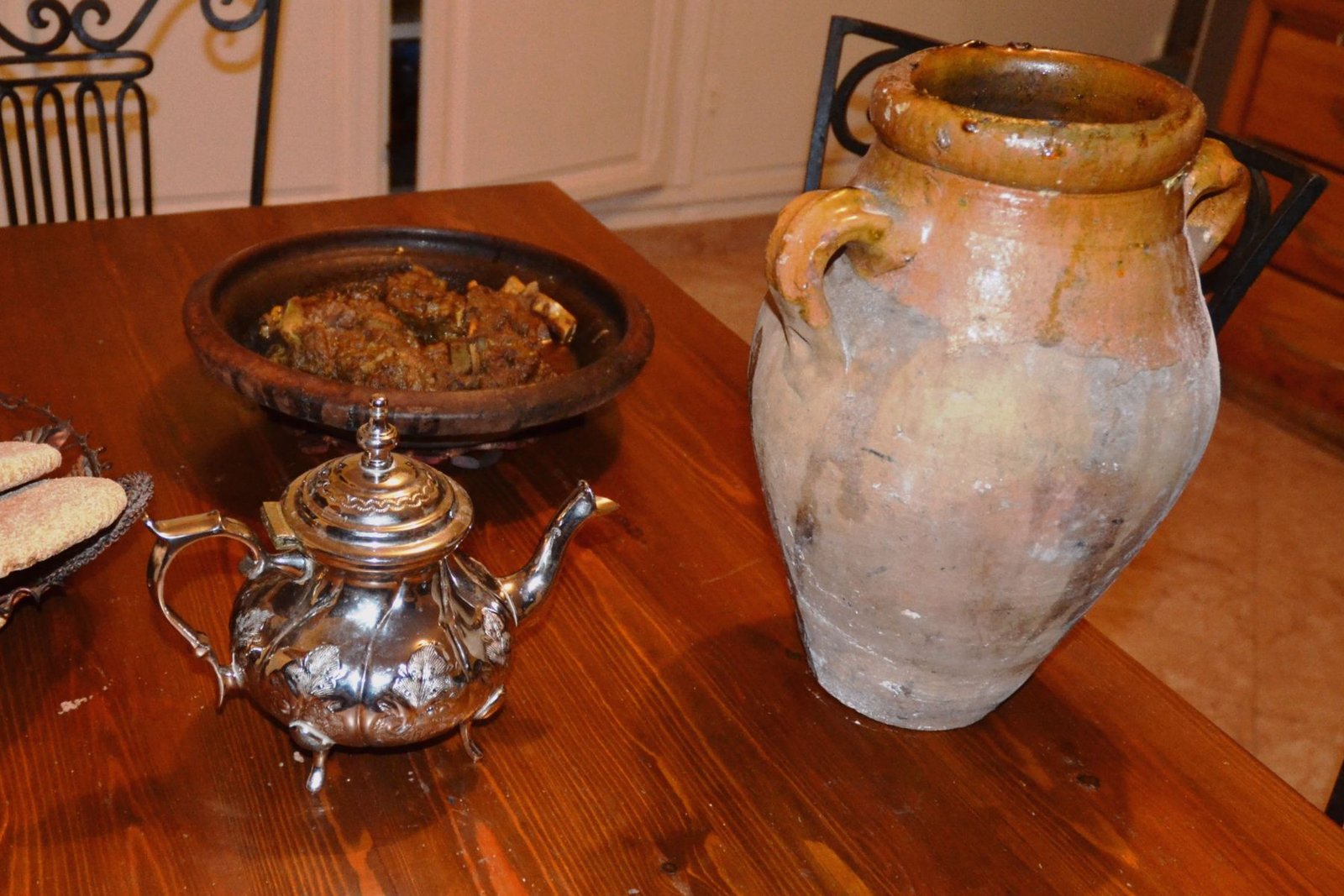
Particularly associated with Marrakech, tanjia is a slow-cooked meat dish traditionally prepared in a distinctive clay vessel.
The meat is combined with preserved lemons, spices and other ingredients before being cooked slowly until exceptionally tender.
Tanjia has a strong connection to Marrakech's culinary identity and is one of the dishes worth seeking out when exploring the city's food culture.
5. Harira
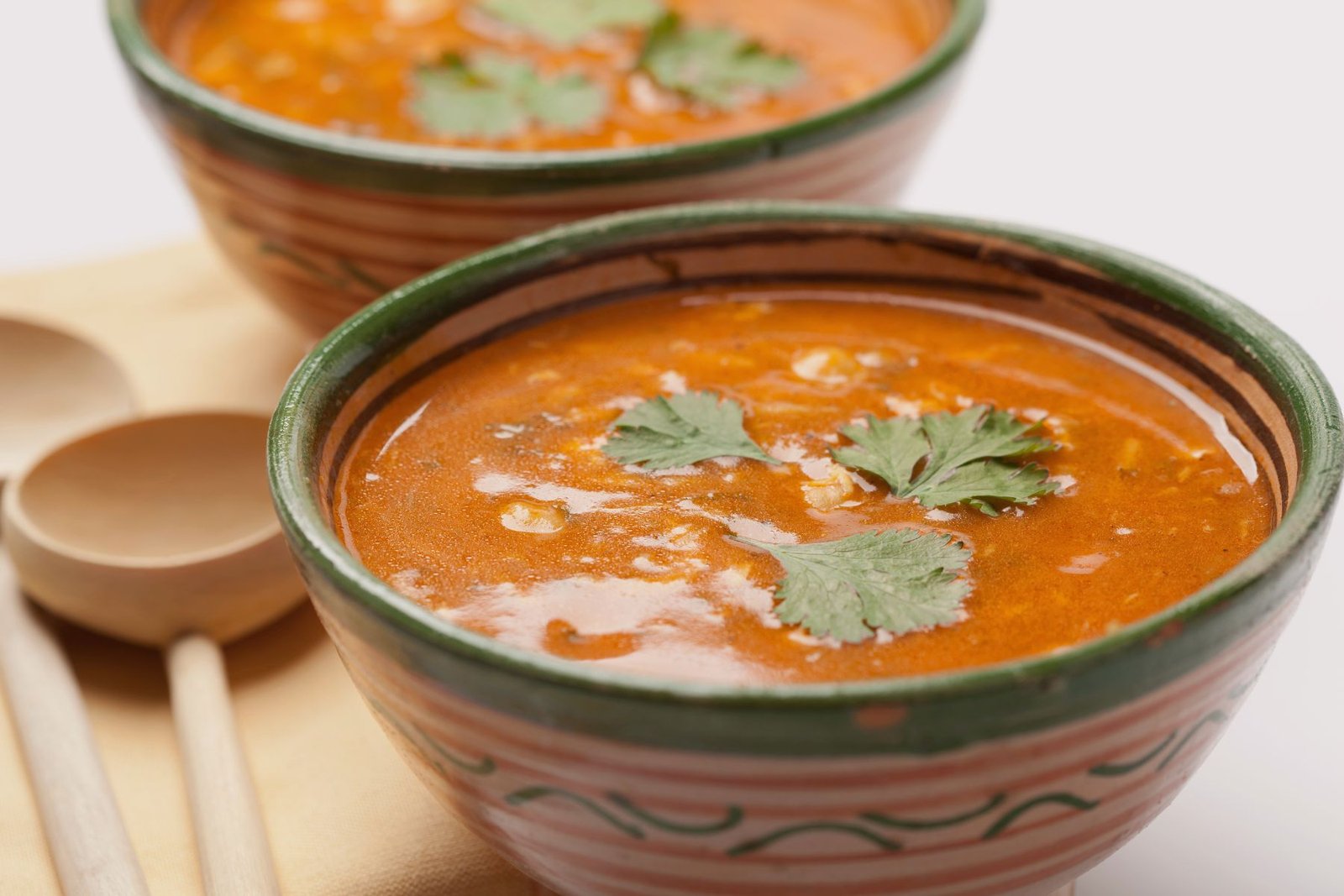
Harira is a traditional Moroccan soup, particularly associated with Ramadan but enjoyed throughout the year.
The recipe commonly combines tomatoes, legumes, herbs and spices, sometimes with meat or vermicelli. It is hearty without being heavy and is often served alongside dates or other accompaniments.
For many Moroccans, harira is deeply connected to family and tradition, especially during the evening meal in Ramadan.
6. Rfissa
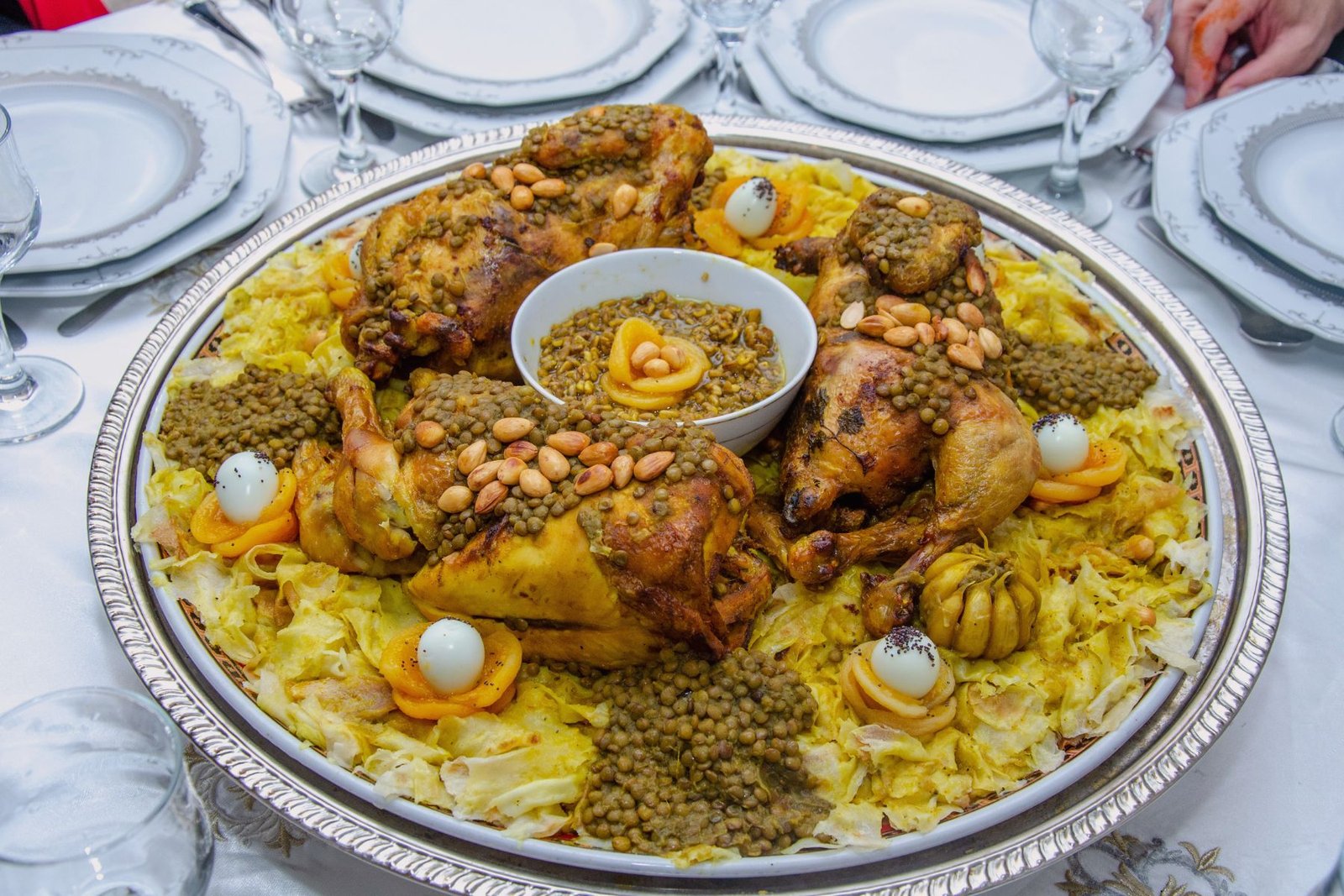
Rfissa is a comforting dish made with shredded msemen or another traditional flatbread, lentils and a richly spiced broth, usually served with chicken.
It is particularly associated with home cooking and special occasions. The combination of bread, broth, lentils and aromatic spices creates a dish that is both generous and deeply satisfying.
It is a good example of how Moroccan cuisine can transform simple ingredients into something remarkably complex.
7. Mechoui
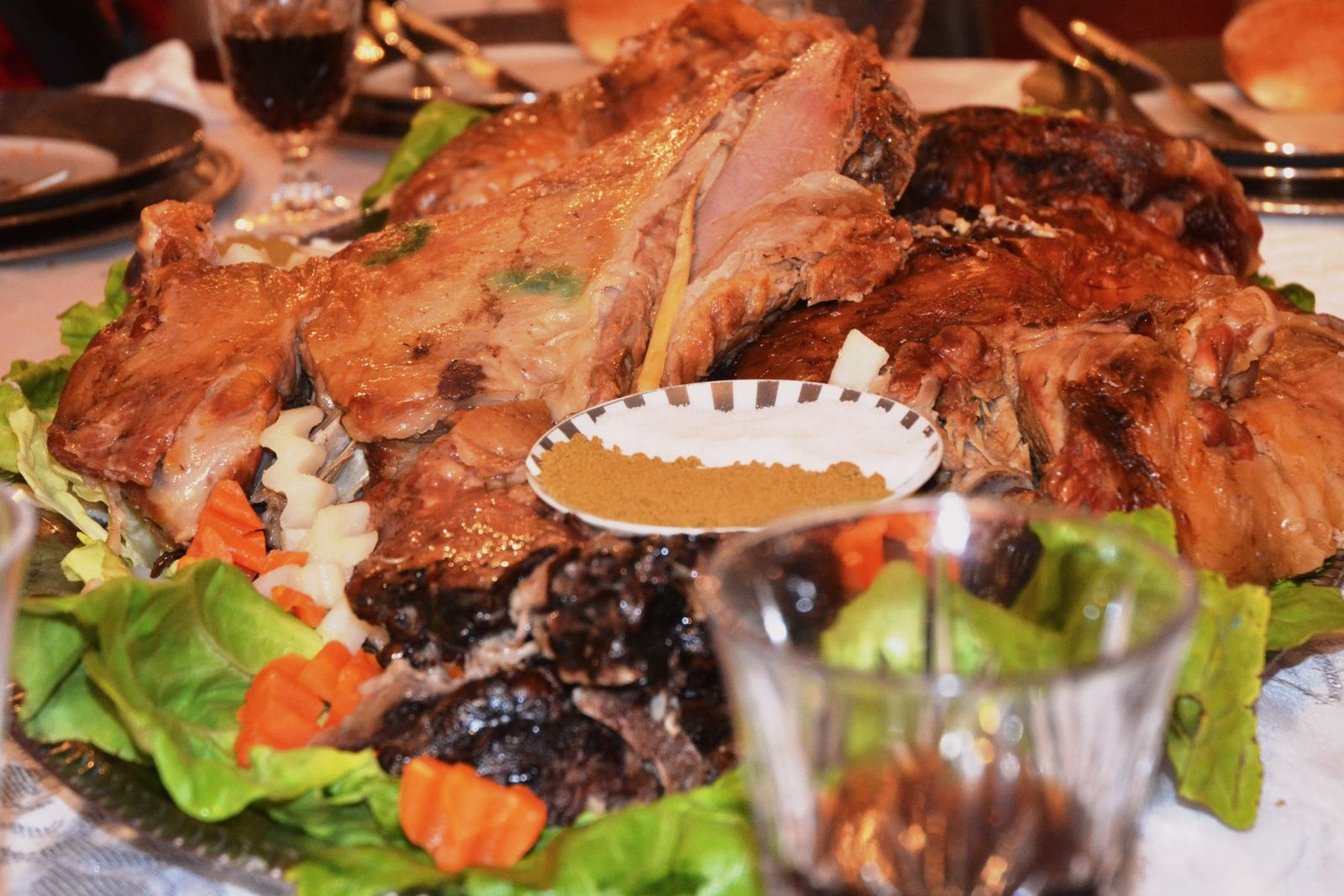
For something more celebratory, there is mechoui, traditionally slow-roasted lamb prepared until the meat becomes tender and flavorful.
Often associated with gatherings and special occasions, mechoui reflects the communal side of Moroccan food culture. It is a dish designed to be shared rather than rushed.
8. Zaalouk
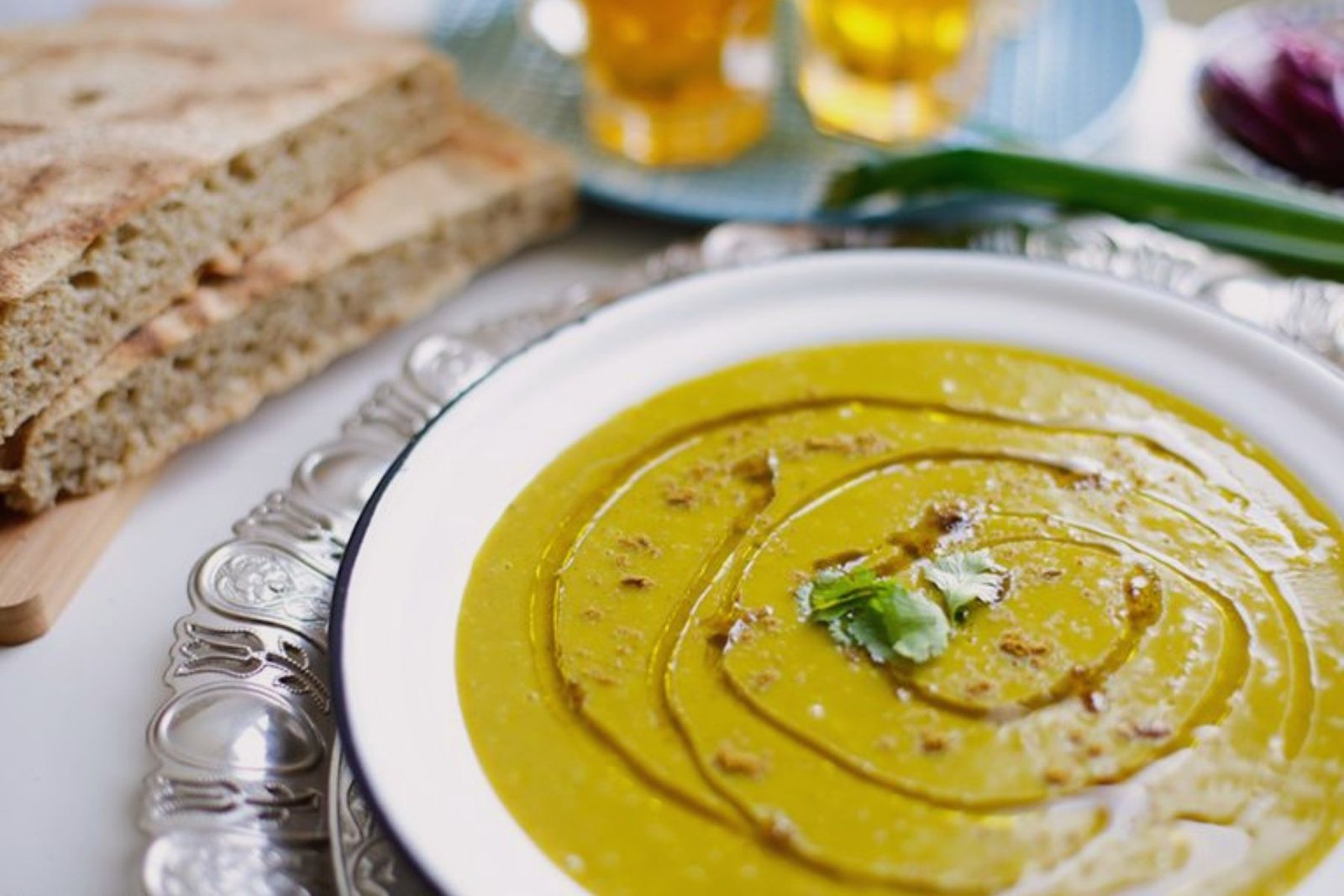
Not every Moroccan specialty is a slow-cooked meat dish.
Zaalouk is a traditional Moroccan salad made primarily with cooked eggplant and tomatoes, seasoned with garlic, cumin, paprika and olive oil.
It is often served as part of a selection of salads and small dishes at the beginning of a meal, alongside bread.
9. Bissara
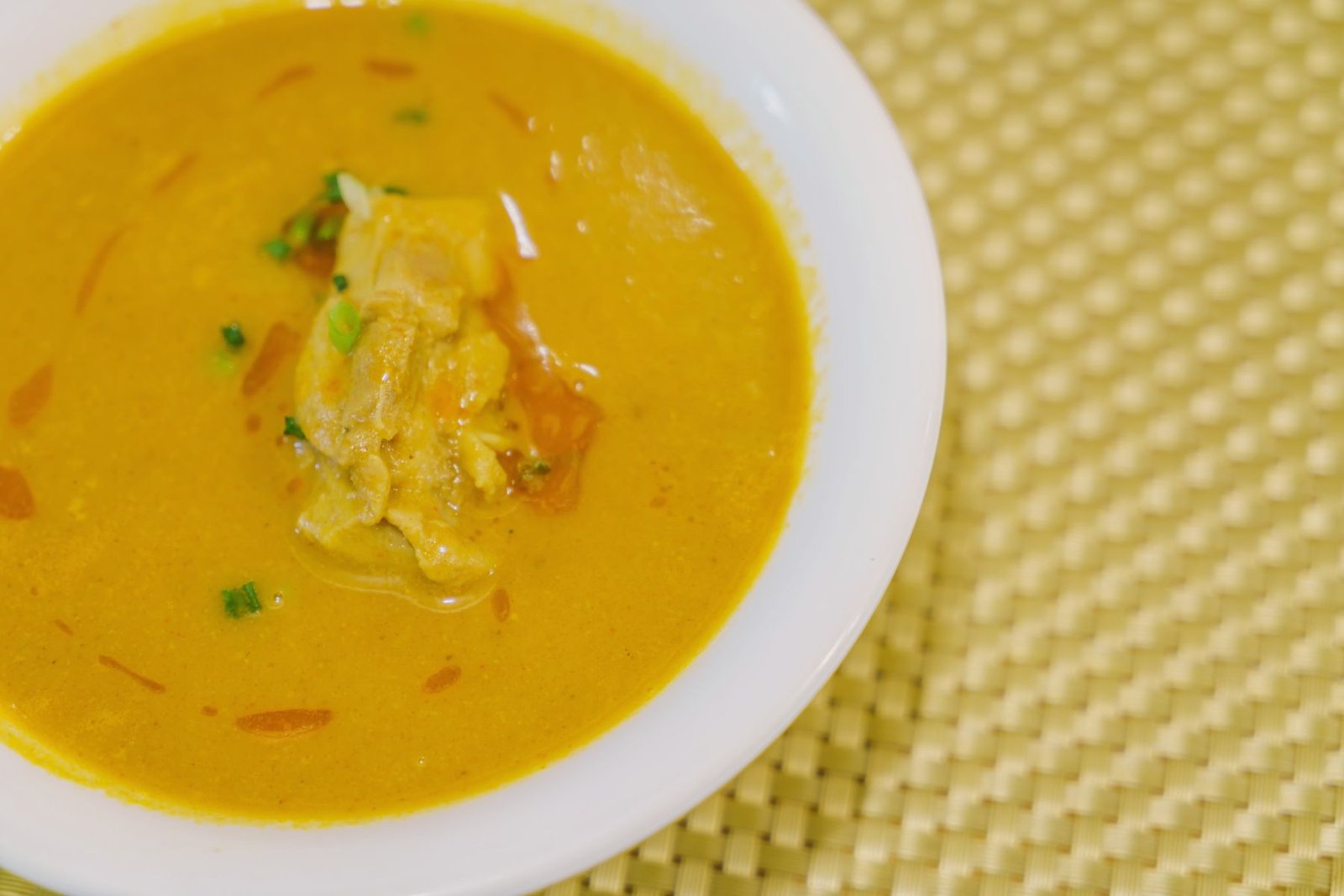
Bissara is a simple but flavorful soup made from dried fava beans, olive oil and spices.
It is particularly popular as a comforting everyday dish and is often enjoyed with bread. Its simplicity is part of its appeal, offering a very different perspective from the elaborate dishes associated with Moroccan hospitality.
10. Seffa
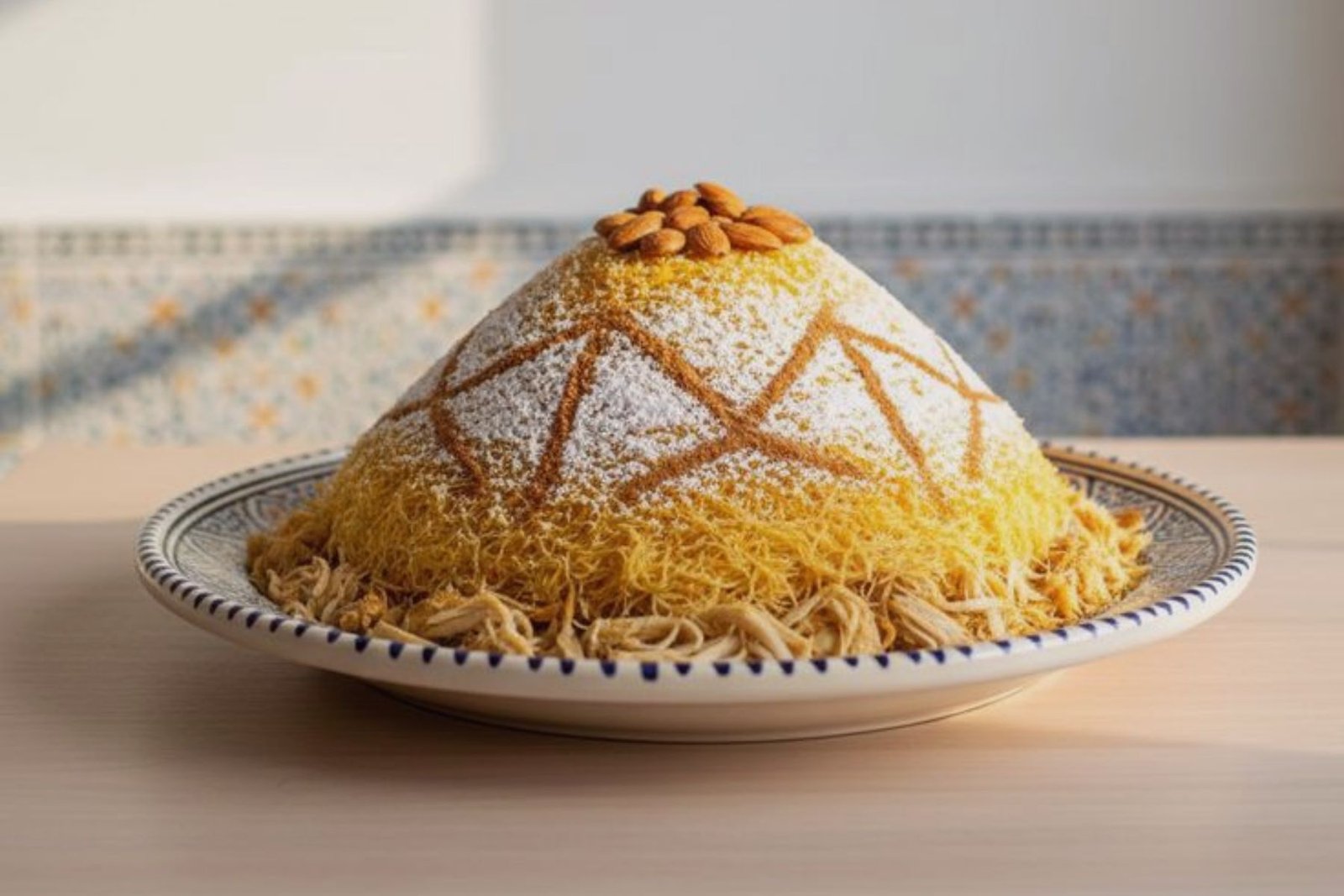
Seffa is a traditional sweet-and-savory preparation based on steamed couscous or fine noodles, usually decorated with cinnamon, powdered sugar and almonds.
Depending on the preparation, it can be served with chicken or enjoyed as a sweeter course.
Like many Moroccan specialties, it demonstrates the country's characteristic ability to bring contrasting flavors together.
Moroccan Breakfast: A Different Start to the Day
Breakfast offers another way to experience traditional Moroccan food.
A typical Moroccan breakfast can include several types of bread and pancakes, such as msemen, baghrir and batbout, accompanied by butter, honey, olive oil, cheese or amlou.
Amlou, a blend traditionally made with almonds, argan oil and honey, is particularly associated with southern Morocco and makes a delicious accompaniment to bread. And then there is Moroccan mint tea.
Breakfast is rarely about a single plate. Instead, several ingredients are placed on the table and shared at an unhurried pace.
For travelers staying in a riad or private residence, breakfast can become one of the simplest ways to experience this rhythm of Moroccan hospitality.
Moroccan Spices and Ingredients
The identity of Moroccan cuisine comes from more than its recipes. Its ingredients and seasonings are just as important.
Among the most recognizable Moroccan spices are:
Cumin
Ginger
Turmeric
Cinnamon
Saffron
Paprika
Coriander
Black pepper
Ras el hanout
Other ingredients appear repeatedly across Moroccan cooking, including preserved lemons, olives, fresh herbs, almonds, dates, honey and olive oil.
Preserved lemons are particularly characteristic. Their intense, slightly salty citrus flavor brings brightness to dishes such as chicken tagine with olives and preserved lemons.
Olives also play an important role, whether served alongside bread and salads or incorporated directly into cooked dishes.
Together, these ingredients create the balance of fresh, aromatic, earthy and sweet flavors that defines much of Moroccan food.
Moroccan Sweets and Mint Tea
No exploration of Moroccan specialties would be complete without something sweet.
Moroccan pastry traditions include a wide range of cookies and sweets, from almond-based ghriba to chebakia, a sesame-covered pastry traditionally associated with Ramadan.
Almonds, honey, sesame, orange blossom water and cinnamon frequently appear in Moroccan desserts and pastries.
But sweets are only part of the ritual.
Moroccan mint tea is one of the country's most recognizable expressions of hospitality. Green tea is combined with fresh mint and sugar, then traditionally poured from a height into small glasses.
Tea can accompany breakfast, conversation, a meal or an afternoon pause. It is less a single beverage than part of the rhythm of welcoming and spending time together.
Moroccan Cuisine Across the Country
The best way to understand Moroccan cuisine is to look beyond a single city.
In Marrakech, Tanjia is closely associated with the city's culinary identity, while traditional tagines, street food and fresh juices are part of everyday food culture.
In Fes, the cuisine is known for its refined preparations and rich culinary heritage, with dishes such as pastilla reflecting the city's long gastronomic tradition.
Along the Atlantic coast, cities such as Casablanca and Essaouira naturally bring seafood into the picture. Fresh fish, grilled seafood and coastal ingredients add another dimension to Moroccan cooking.
In the Atlas and other mountainous regions, traditional Amazigh influences can be found in dishes built around simple, seasonal ingredients, breads, couscous and slow-cooked preparations.
This regional variety is one of the reasons that Moroccan food is best experienced through travel rather than reduced to a single list of famous dishes.
Experiencing Moroccan Cuisine
There is a difference between tasting Moroccan food and experiencing Moroccan cuisine. You might begin with a traditional breakfast of msemen, amlou and mint tea. Later, you could visit a local market and discover the spices, olives, fruit and ingredients that shape everyday cooking.
An evening might mean sharing a tagine around a table, discovering a traditional restaurant in the Medina or enjoying a meal prepared privately in the place where you are staying.
For a more immersive experience, a Moroccan cooking class can introduce you to the techniques behind tagine, couscous and traditional salads. A private chef can take the experience in another direction, adapting a menu around the preferences of a group while retaining the character of Moroccan cuisine.
This is where food becomes part of the journey rather than simply something to eat between excursions.
Moroccan Cuisine as Part of the Art of Living
In Morocco, the table has its own rhythm, meals are shared. Tea creates pauses in the day. Bread is placed within reach. Food is often prepared slowly, served generously and enjoyed without rushing.
For Leonis Collection, this is an essential part of the Moroccan experience.
A stay is not only about where you sleep, but about how you spend your time there, a breakfast prepared in the morning, a private dinner around a courtyard table, a traditional dish discovered after a day exploring Marrakech, or an evening of tea and conversation at home.
Moroccan cuisine is ultimately an expression of the country's art of living : generous, social, deeply rooted in place and meant to be experienced together.


Be the first to leave a thoughtful comment.